UKHSA - Meningitis B outbreak: what you need to know
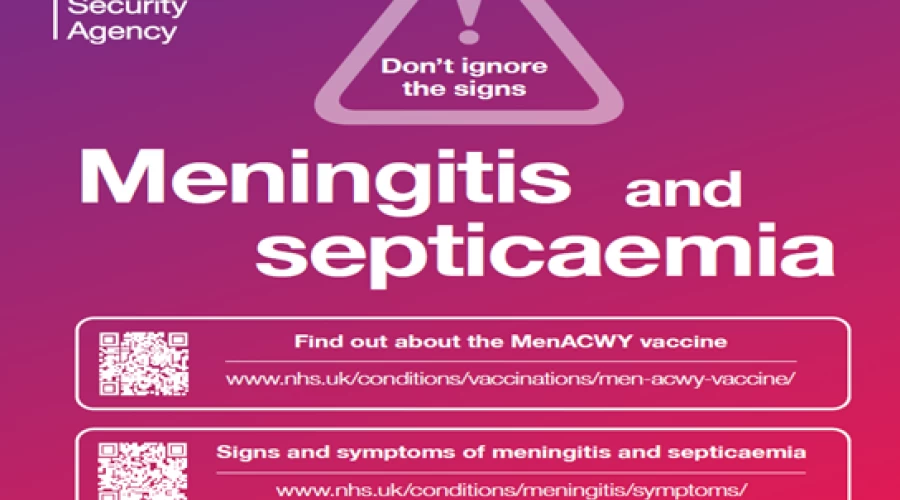
What is meningococcal disease?
Meningococcal disease is a serious but uncommon illness caused by meningococcal bacteria. It can lead to meningitis - inflammation of the lining of the brain - and sepsis (blood poisoning). The onset can be sudden, which is why knowing the signs and symptoms, and acting quickly, is so important. There are multiple strains of meningococcal bacteria - MenA, MenB, MenC, MenW, MenX, MenY.
What can I do to protect myself and my children from meningitis if I am not in the locality affected by the outbreak?
The most important thing you can do is know the symptoms and act quickly if they appear.
Symptoms to look out for include:
- a rash that does not fade when pressed with a glass
- sudden onset of high fever
- severe and worsening headache
- stiff neck
- vomiting and diarrhoea
- joint and muscle pain
- dislike of bright lights
- very cold hands and feet
- seizures
- confusion or delirium
- extreme sleepiness or difficulty waking
You may also be interested in: https://ukhsa.blog.gov.uk/2025/10/31/what-is-meningitis-symptoms-risks-and-how-to-protect-yourself/